
Owner’s withdrawals reduce owner’s equity because they represent a decrease in the owner’s investment in the business. Yes, owner’s equity can be negative if a business’s liabilities exceed its assets. This indicates the business is insolvent and its liabilities surpass the value of its assets. These elements are tested in commerce exams and help clarify what makes up owner’s equity in different types of businesses. In the final lesson of this section (basic accounting concepts) we’re going to relook the accounting equation and introduce a https://magicianindia.com/the-most-in-demand-finance-and-accounting-skills/ brand new concept.
What is a Break-Even Point and How to Calculate
- The definition of owner’s equity is the residual equity that remains after deducting liabilities from the assets of a business.
- This is because when a company earns a profit, it has more assets than it did before, assuming liabilities remain constant.
- Learn how it’s calculated, why it changes, and where it’s reported.
- On the other hand, if the owner’s equity is lower than the liabilities, it may indicate financial instability.
- This concept is not just a static figure; it’s dynamic and fluctuates with changes in assets and liabilities.
- Knowing the amount of equity a business has at year end as well as the previous year is important when trying to obtain a business loan or investment.
- This equation tells you how much your company is worth after all debts are paid.
Improving owner’s equity is an ongoing process that requires consistent effort and strategic decision-making. Regularly review your financial statements and adjust your strategies as needed to ensure continuous growth in your company’s net worth. Corporations are formed when a business has multiple equity ownership, but unlike partnerships, corporation owners are provided legal liability protection. It’s also the total assets of $117,500 minus total liabilities of $22,500. Either way you calculate it, Rodney’s state in the business is $95,000. Owner’s equity is calculated by adding up all of the business assets and deducting all of its liabilities.
- It’s a critical measure of a company’s financial health, reflecting the real value that owners or shareholders hold.
- Owner’s withdrawals reduce owner’s equity because they represent a decrease in the owner’s investment in the business.
- By knowing the value of their ownership stake, business owners can check the profitability and growth potential of their venture.
- It gets recorded in the balance sheet at the end of the accounting period.
- It is a reflection of the company’s net worth and is an essential indicator of financial health.
Example of statement of owner’s equity for sole proprietor
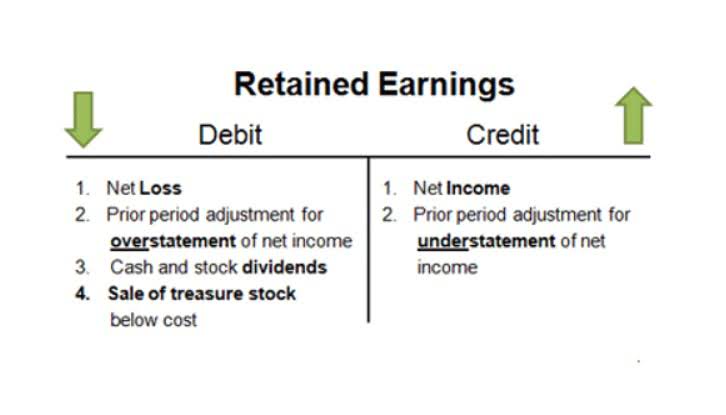
It represents the actual financial stake an owner has in the business. For a sole proprietorship or partnership, it is called owner’s equity, while in a company it is known as shareholder’s equity. Understanding owner’s equity helps students answer exam questions and aids in practical business decision making.
Can Owner’s Equity Be Negative?

It’s not just a number on a balance sheet; it’s a reflection of the company’s health, potential, and the owner’s wealth. Increasing equity can improve a company’s borrowing power, attract investors, and enhance its overall market value. However, building equity is not a one-size-fits-all process; it requires a owners equity meaning strategic approach tailored to the unique needs and goals of the business. From reinvesting profits to optimizing operational efficiency, there are numerous ways to bolster equity. Here, we delve into various strategies from different perspectives, offering business owners a comprehensive guide to enhancing their stake in their enterprise. The equity section of a balance sheet is a critical area that reflects the net worth or book value of a company.
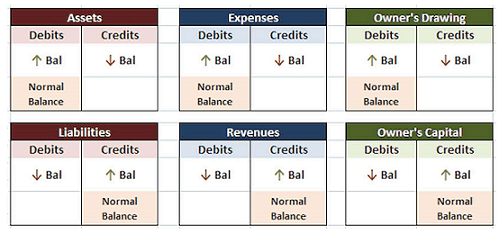
Navigating the intricacies of your business’s financial statements can be a complex task — but it doesn’t have to be. Withdrawals happen when an owner takes money or other assets out of the company. This obviously reduces the owner’s capital account and the overall owner’s equity. As an example, say the assets of a business are $500,000 and the business liabilities are $100,000. To illustrate these differences, consider Foreign Currency Translation a sole proprietorship where the owner invests $50,000 and earns a profit of $10,000.